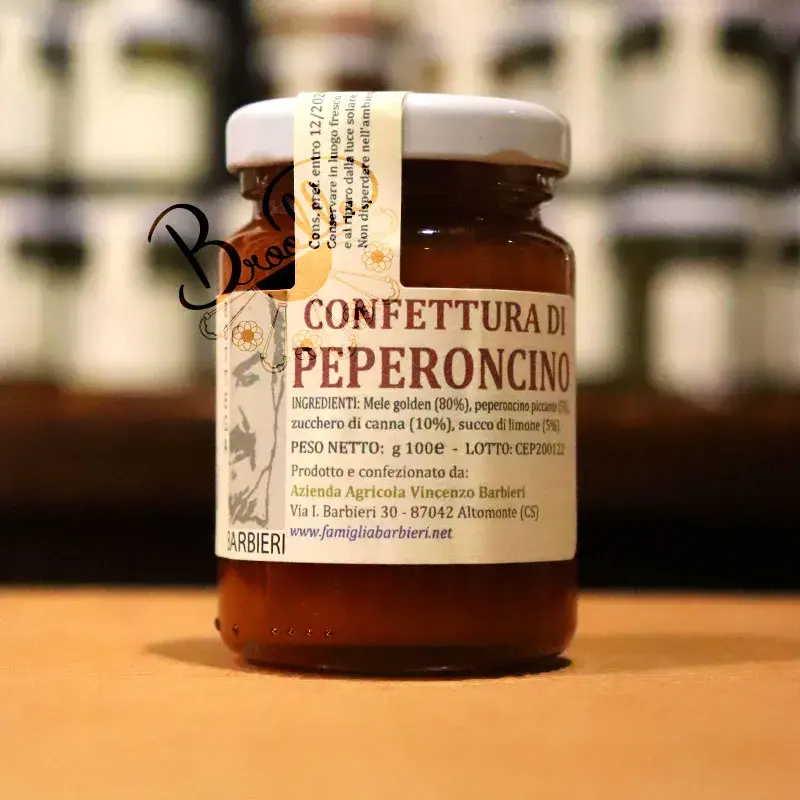
Fig Extra Jam, Artisan Calabrian

In Calabria the fig tree is everywhere. It grows in gardens, along roadsides, on abandoned land, in places where nobody planted or waters it. It looks after itself, its roots finding water deep down and its broad leaves catching the July and August sun. It's one of the oldest trees of the Mediterranean, one that needs no help to bear fruit – and bears it so generously that anyone growing up here soon sees it as part of the landscape, always there and always available.

But not all figs are the same, and not all moments are the same. The fig tree gives two crops a year: the first, in high summer, is the fioroni – large, watery fruit growing at the tips of the previous year's branches. The second, in September, is the true figs: smaller and denser, with flesh that has spent all summer concentrating under the sun and reaches a sweetness the summer fioroni never do. September is the right moment: the fruit has had the time it needed, the flesh is almost honeyed, the skin thin, the aroma intense. That's when it makes sense to turn them into jam, because everything the fruit gathered over the hot season goes into the preserve.

Fig jam starts from that flesh, picked fully ripe. Fresh fig has a texture that in jam becomes thick and velvety: the flesh is naturally rich in pectin and thickens as it cooks, so no added thickeners are needed, and the result is dense and compact, full on the tongue and lingering. The colour is deep, between dark burgundy and warm brown, telling you straight away that the jar is packed with fruit.

Cane sugar does what it always does in these preserves: it brings sweetness, but not the neutral sweetness of white sugar. There's a caramel note, something warm and slightly dark, that complements the natural sweetness of the fig. It doesn't just add sugar: it adds depth, a sweetness that feels more complex than a single ingredient. With a fruit as sweet as the fig, cane sugar knows its place without overloading.

Lemon brings balance. It isn't a flavour you look for or easily pick out in the finished jam: it stops everything from becoming cloying, adding a discreet acidity that makes each mouthful fresher than it would otherwise be. Figs are extremely sweet, and that sweetness unbalanced can become tiring. With lemon, even a little, the jam has a liveliness that keeps it enjoyable to the last spoonful, not just the first.

The overall profile in the jar is a rich jam, with the almost floral note of fresh figs surviving cooking and lingering. It isn't a light aroma: it's full and enveloping, the kind you notice as soon as the jar opens, hanging in the air for a moment. On the palate sweetness comes first, then the aroma of fig, then at the finish that discreet lemon acidity that cleans the palate and prepares you for the next bite.

With aged cheeses, it's the pairing that shows this jam at its best. The intense sweetness and aroma of fig with the savouriness and richness of an aged pecorino or caciocavallo create one of those contrasts you understand at first taste: the cheese seems lighter, the jam less sweet, and together they build something neither could alone. It's a pairing with real logic on cheese boards, well known in restaurants that serve cheese as a course rather than a quick starter. With robiola or stracchino the combination is gentler, because fresh cheese blends rather than contrasts, and the result is soft and aromatic – perfect as a dessert or snack.

At breakfast on toast or a croissant, fig jam brings the richness a morning sometimes calls for: not the lightness of citrus marmalade, but something more comforting, satisfying and precisely fragrant. With plain yogurt it adds sweetness and aroma for a balanced, not heavy, combination. In baking it goes into tarts as a filling, cakes as a layer and biscuits as a centre: in all of these its natural thickness is an advantage, because it doesn't run in the heat and stays put.

With meat, especially boiled or braised meat whose milder flavour needs an accompaniment, fig jam brings the sweet-savoury contrast with ancient roots in many Italian regional cuisines. Boiled beef with fig jam on the side seems modern but comes from a very old culinary logic: pairing long-cooked meat with something sweet and aromatic to complete it.

A product that brings September to the table all year round.

How to use it
With aged cheeses on antipasto boards: pecorino, caciocavallo, parmesan. With fresh cheeses such as robiola or stracchino. On toast or croissants at breakfast. On plain or Greek yogurt. As a filling in tarts, cakes and biscuits. With boiled or braised meat as a sweet-savoury accompaniment. With cured meats on mixed boards. As a filling for spoon desserts or semifreddi. In food hampers alongside other Braalla artisan preserves.

Storage
Store in a cool, dry place before opening. Once opened, refrigerate and consume within 2–3 weeks.

Size
200g jar.

Ingredients
Fresh fig pulp, cane sugar, lemon.