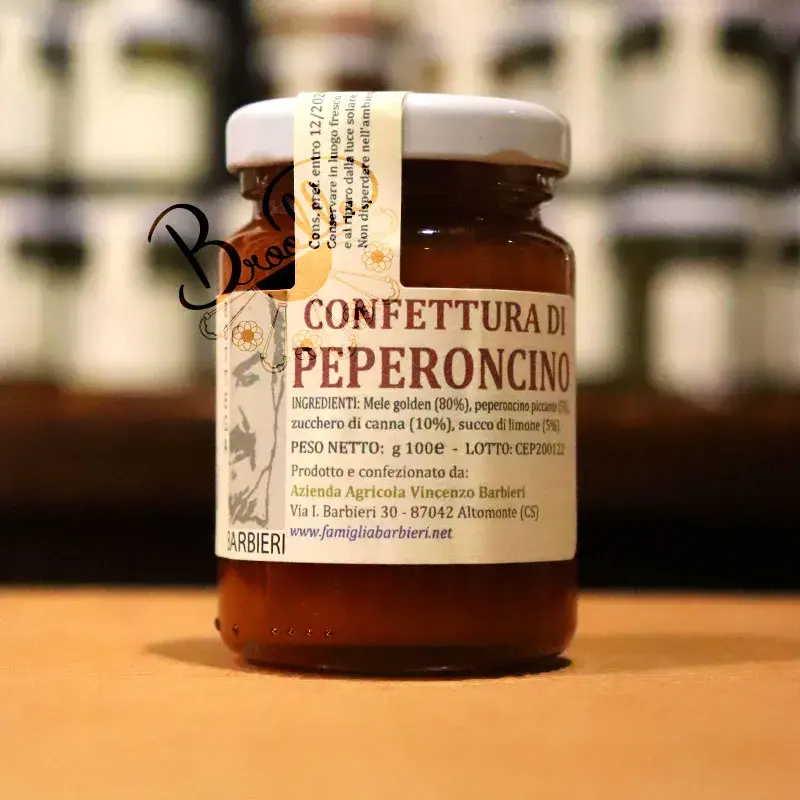
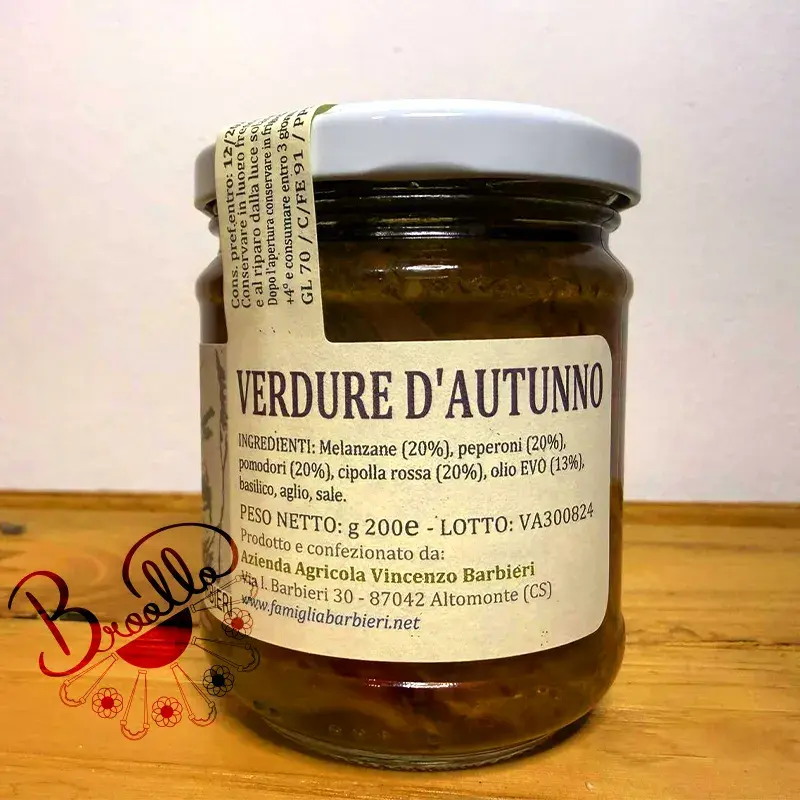
There's a distinction few people know, but it says something precise: under Italian and EU rules, only citrus preserves can be called marmalade. All other fruits make jam. Lemon is marmalade, and always has been – not because someone decided to give it a different name, but because citrus is structurally different from other fruit: it has peel, bitterness and an acidity you don't find in strawberries or peaches. Working with it takes a different balance, and the result has a character no other fruit preserve can match.

The southern Italian lemon is something specific. It grows where the sun lingers, where the sea tempers the climate without extremes, where the peel grows thick and fragrant and the flesh fills with juice that has acidity and sweetness in proportions northern European lemons can't reach. It's a fruit that carries the air of those places: when you open the peel, when you cut it, when it goes into the pot, its scent fills the room and leaves no doubt about what's coming.

This marmalade uses fresh lemon pulp, juice and cane sugar. It isn't an elaborate recipe. It works because it starts from good ingredients and adds nothing unnecessary. The pulp brings structure, fibre and the body a marmalade needs so it isn't runny. The juice brings pure acidity, felt as freshness, balancing the sweetness. Cane sugar brings its darker, slightly caramelised note – not the neutrality of white sugar but something more, a background warmth that blends with the citrus bitterness so the two complete rather than fight each other.

The result has a profile you taste in sequence: sweet first, then sour, then bitter at the finish. That sequence is what makes this marmalade different from all others. The bitterness isn't a flaw to be corrected with more sugar. It's the most precious part, proof that the lemon was good and that nothing was hidden. Anyone who loves real lemon, the kind you still taste after the last bite, will recognise this marmalade at once as something made well.

The colour is a deep, bright yellow that has lost nothing in cooking. Open the jar and the aroma is fresh lemon multiplied by concentration: fuller and more persistent, with the almost floral note lemon peel has, clearly present because the pulp carries everything the fruit had.

Breakfast is the most obvious use. On buttered toast, where the richness of the butter softens the sourness and bitterness and lets the sweetness and aroma through: a combination as old as citrus marmalade itself. On a croissant, on rusks, or on plain yogurt, which it turns into something fresh and different. In baking it's a precise ingredient: in lemon tarts, where it can replace or complement lemon curd, adding body and a more complex citrus profile. In filled biscuits, where the bitterness of lemon contrasts with sweet shortcrust better than any other preserve.

With cheese it's the pairing that always surprises. Lemon marmalade on an aged cheese works on the same principle as lemon on fried food: acidity and bitterness cut through richness and make it lighter. With a semi-aged pecorino, a Calabrian caciocavallo or hard cheeses in general, it brings a clean contrast, refreshing the palate and making each bite of cheese feel fresher and less heavy. A pairing you rarely see on antipasto boards – and one that people who discover it don't give up easily.

One use worth knowing: lemon marmalade as a glaze for white meat and fish. Brushed on in the last few minutes of cooking, the sugar caramelises, the lemon concentrates, and you get a sweet, citrusy crust that completely changes the dish. With roast chicken, trout or salmon: a simple technique with results that look elaborate.

A 200g jar lasts longer than strawberry jam, because lemon marmalade is used in smaller amounts: its flavour is present enough that a little goes a long way. That also makes it perfect for food hampers: a small jar with plenty of character, alongside a sweet jam and a savoury condiment, shows the range of this production without taking up much room.

How to use it
On toast and croissants at breakfast, with or without butter. On plain or Greek yogurt as a citrus sweetener. In tarts and filled biscuits, as an alternative or complement to lemon curd. With aged cheeses on antipasto boards. As a glaze for roast white meat and fish, brushed on in the last few minutes. In semifreddi and spoon desserts. On pancakes with cream or ricotta. In food hampers as a gourmet gift alongside other Braalla preserves.

Storage
Store in a cool, dry place before opening. Once opened, refrigerate and consume within 2–3 weeks.

Size
200g jar.

Ingredients
Fresh lemon pulp, cane sugar, lemon juice.